
- Restoring public trust in higher education
- Building financial resilience for your institution and exploring private funding opportunities
- Innovative enrollment strategies to modernize higher education
- Strengthening board-President relationships and institutional governance
- Navigating political pressures while remaining true to mission and values
- Leading institutions through uncertainty with resilience and purpose
- What it means to be an AI-informed leader
- Protecting academic freedom and institutional independence in a changing political landscape
- Rethinking research, faculty development and academic careers
- Modernizing higher education to meet the needs of future learners and society
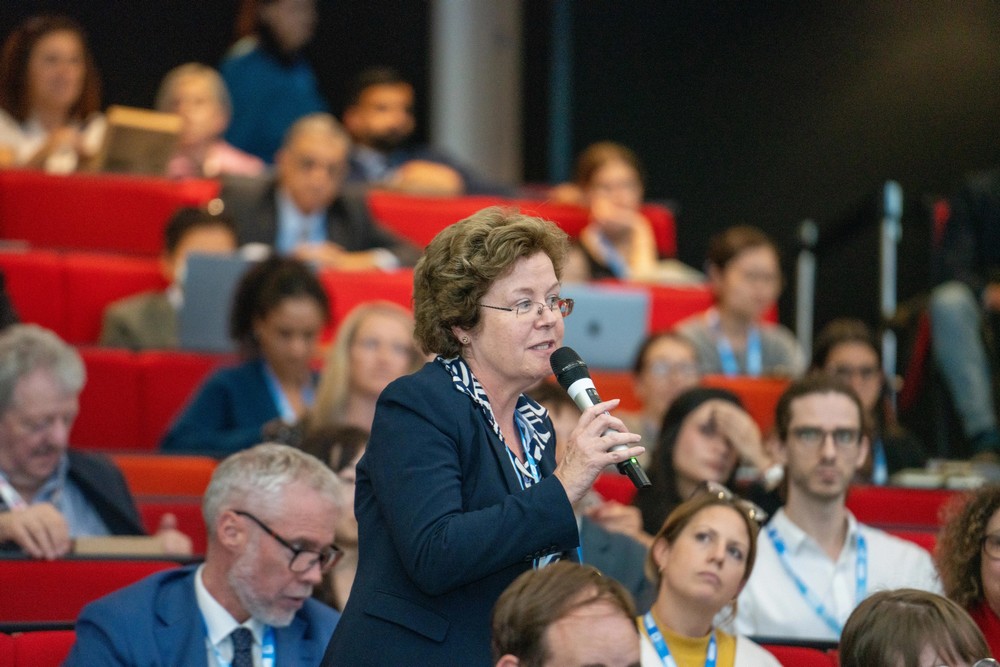
Rethinking higher education: Innovation for sustainability and restoring public trust
Amid economic uncertainty and a shifting job market, public trust in higher education is at historic lows. Going to university no longer represents the assurance of a better life and the certainty of a high-paying job after graduation. As colleges and universities face mounting financial pressures, demographic shifts and uncertainty around public funding, leaders are also being challenged to rethink traditional models of sustainability.
This theme delves into practical examples of how Presidents of US universities and colleges are thinking innovatively about enrollment, restoring public trust and ensuring the longevity and survival of their institutions. Honest interactive conversations will scrutinize what needs to change in US higher education to match students’ expectations and the realities of our modern society.
Sessions will explore:
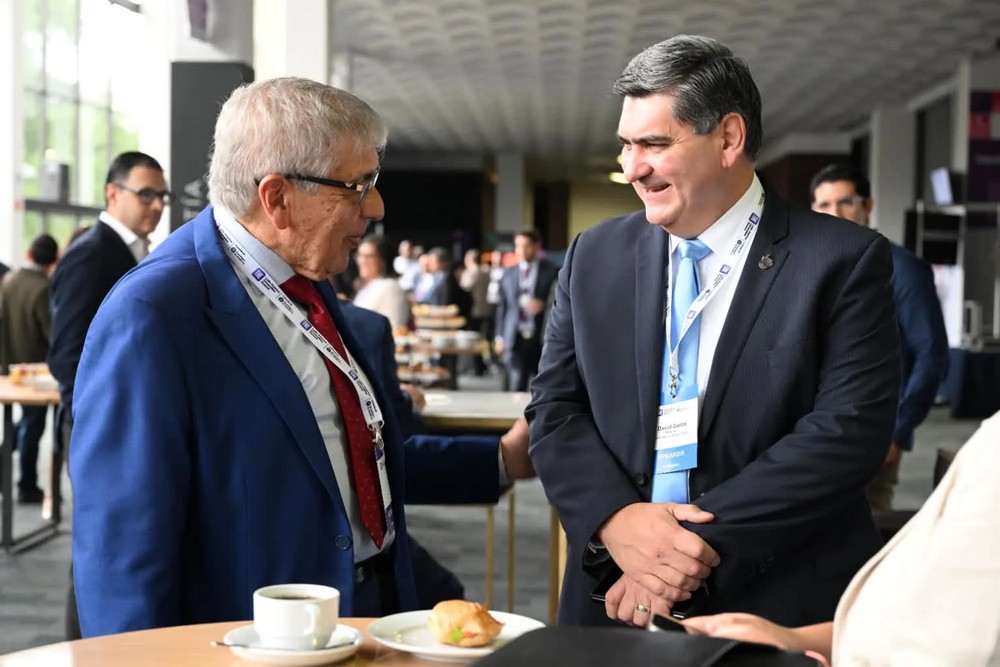
Leading with confidence: Governance, partnerships and institutional autonomy
At a time of heightened political scrutiny and declining confidence in higher education, institutional leaders face growing pressure to balance the expectations of boards, policymakers, students, faculty, alumni and the public. At the same time, the role of the President is becoming increasingly complex, requiring both political acumen and a steadfast commitment to institutional mission.
This theme will examine how higher education leaders can strengthen governance, build productive local partnerships and safeguard institutional autonomy while navigating a rapidly changing external environment. Through discussions on leadership, stakeholder engagement and decision-making, speakers will explore what it takes to lead with confidence in challenging times.
Sessions will explore:

The next chapter: Academic freedom, AI and the future of institutional leadership
Higher education is entering a new era shaped by technological disruption, evolving societal expectations and renewed debate over the purpose of colleges and universities. As artificial intelligence transforms teaching, learning, research and operations, leaders must also confront critical questions about academic freedom, institutional independence and the future role of higher education in society.
This theme will discuss how institutional leaders can embrace innovation while safeguarding the principles that define higher education. From AI literacy and digital transformation to the future of research, faculty, enrollment and student success, discussions will focus on how leaders can position their institutions to thrive in the years ahead.
Sessions will explore:
Social


.png)


Copyright © 2026 Times Higher Education (THE). All rights reserved.